How to Introduce a New Pet to Your Resident Pet
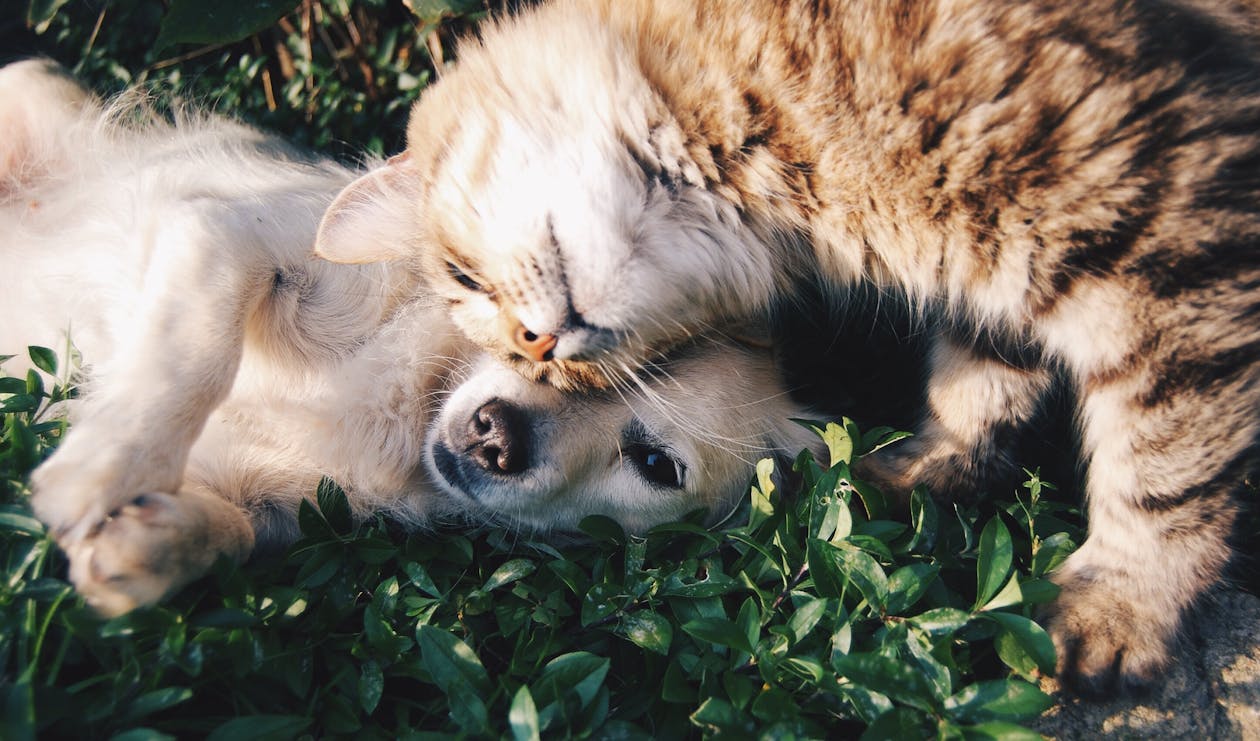
Bringing a new pet into a home with an existing one requires patience and a proper introduction. Animals are territorial, and a gradual, positive process is essential to foster a peaceful relationship and avoid conflict. Rushing the introduction is the most common mistake owners make.
Step 1: Separate and Scent Swap (2-4 days)
Your new pet should immediately be placed in a separate, secure room with its own food, water, litter box, and toys. Do not let the pets see each other yet.
- Scent is Key: Your pets' primary way of identifying each other is through smell. After a day or two, start "scent swapping." Take the bedding from your resident pet and give it to the new pet, and vice-versa.
- You can also take a cloth, rub it on one pet's cheeks, and place it in the other pet's space. This allows them to investigate each other's scent in a non-threatening way.
- Feed them on opposite sides of the closed door. This helps them associate the other pet's scent with something positive, like food.
Step 2: Brief, Supervised Visual Contact (3-5 days)
Once both pets seem calm with the scent swapping, you can allow them to see each other. This should be done through a barrier.
- Use two stacked baby gates in a doorway. This allows them to see and smell each other more directly but prevents physical contact.
- Keep these initial visual meetings very short—just a few minutes at first.
- Engage both pets in a positive activity during this time. Give them high-value treats or play with them separately while they are in view of each other. The goal is to build a positive association.
Step 3: The First Face-to-Face Meeting (Ongoing)
When both pets are consistently calm during visual contact, you can try a face-to-face meeting in a neutral space (not a room either pet considers "theirs").
- For Dogs: The first meeting should be on neutral ground, like a park or a neighbor's yard, with both dogs on leashes. Keep it brief and positive.
- For Cats: Prop the door open just enough for them to enter the same room. Have plenty of toys and treats ready.
- Keep it short and sweet. End the session on a positive note before either pet gets overstimulated or stressed.
- Hissing, growling, or posturing is normal. If a fight breaks out, make a loud noise to distract them but do not physically intervene with your hands.
Important Tips
- Patience is Everything: This process can take anywhere from a few days to several months. Do not rush it. Go at your pets' pace.
- Provide Separate Resources: To reduce competition, ensure each pet has their own food bowl, water bowl, and litter box (for cats, the rule is one per cat, plus one extra).
- Never Leave Them Unsupervised: Do not leave the pets alone together until you are 100% certain they are comfortable with each other.